
Your house is worth what a buyer is willing and able to pay under current market conditions. To estimate that amount before you sell, start with available online estimates, check your property details, and compare recent sales of similar homes. Then ask a local agent to explain a realistic price range.
The useful answer is a range with reasons behind it. A single number can hide important differences in condition, location, and timing.
Whether you are planning a move or checking your options, these steps will help you make sense of the numbers.
Start with an online home value estimate
An automated valuation model, or AVM, uses property data to estimate market value. It can give you an initial reference point before you speak with an agent.
Zillow explains that its Zestimate uses public records, listing data, and details supplied by users. It also says that the estimate is not an appraisal. Accuracy depends partly on the quality and amount of available information. Read Zillow's explanation of the Zestimate.
When you review an estimate, record three things:
- The date of the estimate.
- The property details used, especially size and property type.
- Any value range or explanation of uncertainty.
Two estimates that use different records or update schedules may disagree. That difference is a reason to investigate. Averaging them does not establish a reliable asking price.
You can request a free HomeFunnel home value report to review available provider estimates. Coverage varies by address. How our valuations work explains the process and its limits.
Check the facts about your home
Before comparing prices, make a short property record of your own. Include the home's size, bedrooms, bathrooms, lot, age, parking, and major improvements.
Pay particular attention to spaces that may be classified differently. A finished basement, converted garage, or detached studio may not be directly comparable to the main living area of another home. Ask your agent how local records and comparable listings treat those spaces.
For renovations, collect the completion date, scope of work, receipts, and any permits. Describe the work precisely. Replacing cabinet doors is different from replacing a kitchen's plumbing, layout, cabinets, and appliances.
A renovation's cost is not a promise of an equal increase in sale price. Buyers compare the finished home with other choices available to them.
Look at comparable sales, not just asking prices
Comparable sales, often called comps, are completed sales of homes that share relevant features with yours. Active listings help show your competition, but their asking prices do not prove what buyers will pay.
Start your comparison with these questions:
- Is the home in a similar location, with similar surroundings?
- Is it the same property type, with a comparable layout and size?
- Is its condition similar to yours?
- How recently did it sell?
- Were there credits or unusual terms that affected the transaction?
Imagine that three nearby houses sold for $480,000, $505,000, and $535,000. Those figures are hypothetical. If the most expensive home had a larger lot and a substantial renovation, it may be a poor reason to price your original-condition home at $535,000.
Price per square foot can help you spot differences. It cannot explain them on its own. A smaller home with an updated interior may sell for more per square foot than a larger home that needs work.
Separate market value from other home values
Several numbers can describe the same property. Each serves a different purpose.
An online estimate is a model's assessment based on available data. Use it to begin your research.
A comparative market analysis, or CMA, is an agent's pricing analysis using comparable properties and local context. Our guide to how CMAs work explains what goes into one.
An appraisal is a professional opinion of value prepared for a defined purpose. A lender may require one during a buyer's financing process.
An assessed value is used for property tax administration under local rules. Check your assessor's explanation before treating it as a current sale-price estimate.
An asking price is a marketing decision. It should reflect the evidence, your competition, and your goals.
When two numbers differ, first check whether they were intended to answer the same question.
Turn your research into a pricing conversation
Ask an agent to show the strongest comparable sales and explain why each belongs in the analysis. Ask which differences support a higher or lower price for your home.
Bring a short brief to the meeting:
- Your preferred moving date and how flexible it is.
- Your property record and improvement history.
- The estimates you found, with their dates.
- The issues you think might affect value.
- Your questions about competing homes and buyer demand.
Use local housing market data for broader context. Regional trends do not determine the value of an individual house, but they can help you ask better questions about the market your buyer will enter.
Once you have a plausible price range, estimate how much selling the home could cost. Sale price and the cash you keep are different numbers.
Home value questions
Why are online home estimates different?
Providers can use different data, models, and update schedules. Check the underlying property facts and comparable sales before deciding which estimate is more useful. A higher estimate is not automatically a better one.
Does a new kitchen increase my home's value by its full cost?
Do not assume it does. Ask an agent to compare homes with similar updates. The result depends on what buyers value in your price range and what competing homes offer.
Can I check my home's value without committing to sell?
Yes. A valuation request is a research step. HomeFunnel's report request is free, and an agent introduction is optional. You can request your report before deciding on a selling timeline.
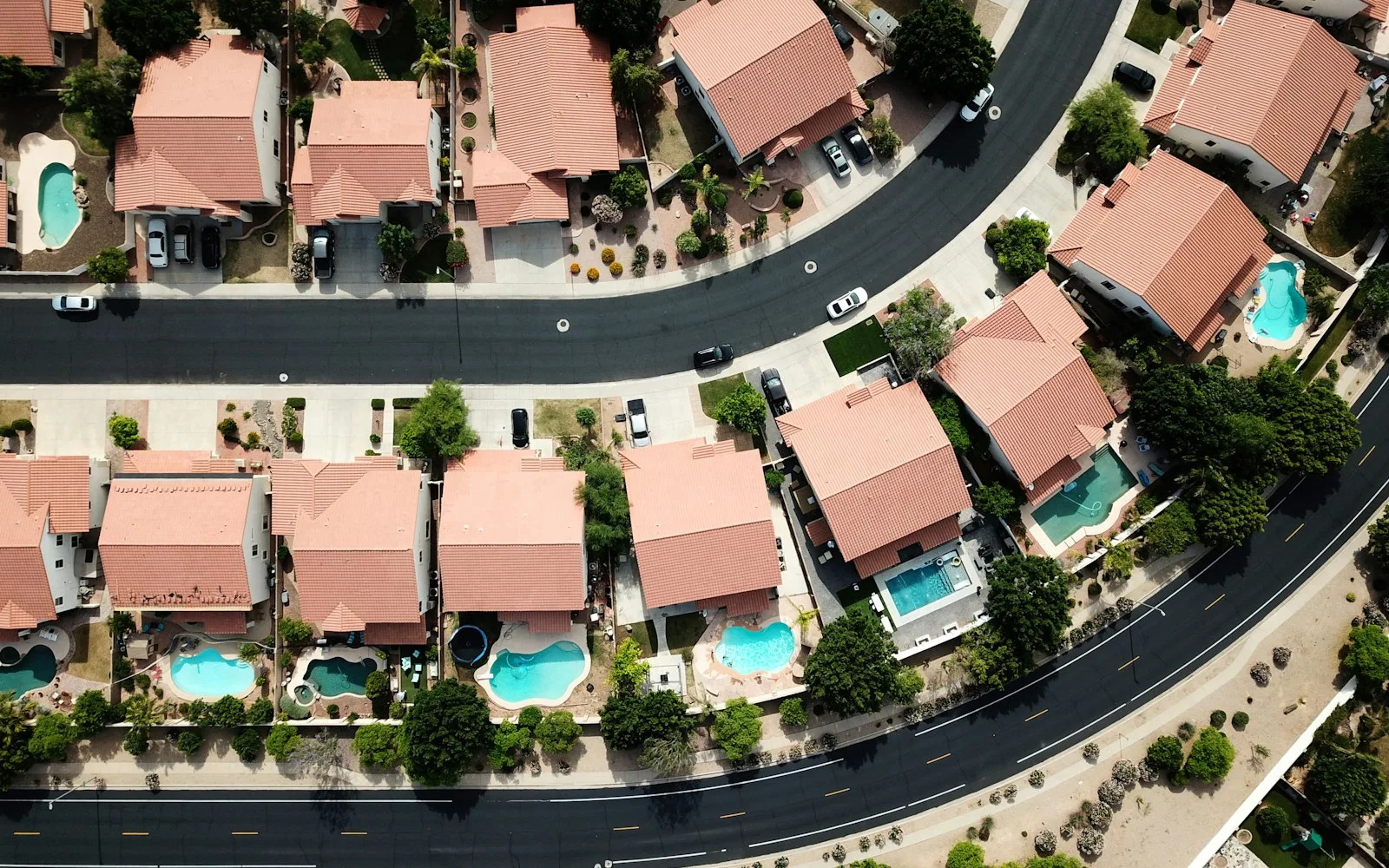
Photo by Avi Waxman on Unsplash, used under the Unsplash License.